Why Your Skin Needs Both Butters and Oils (Not Just One)
If you've ever wondered why some body products feel heavy and others soak in without a trace, the answer comes down to one thing: the ingredients doing the work underneath.
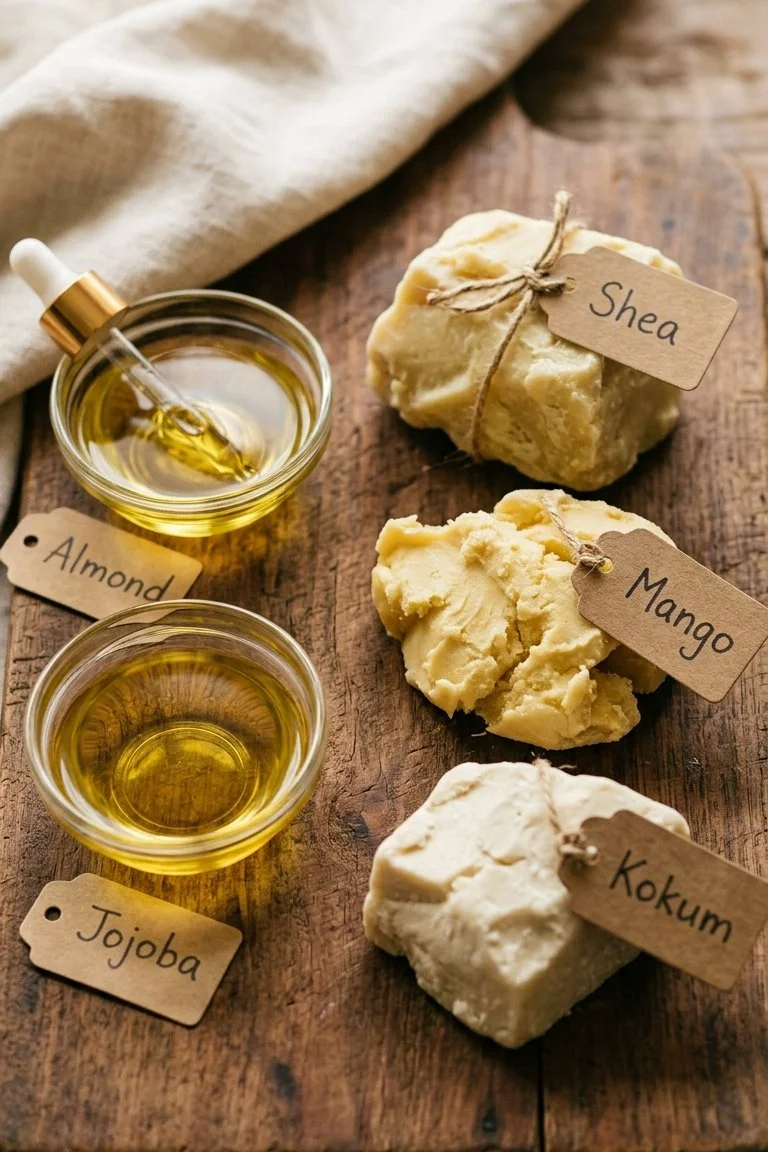
At House of Stillstone, every formula is built around a small list of butters and oils — mango butter, shea butter, kokum butter, sweet almond oil, and jojoba oil. Here's what each one actually does, and why we use them together rather than relying on just one.
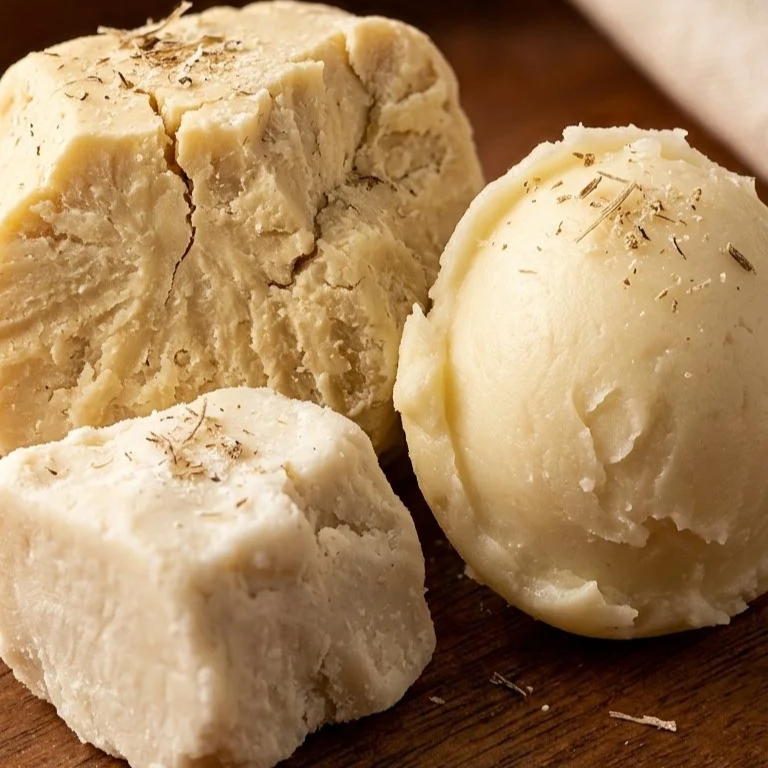
Shea Butter: The Skin Barrier's Best Friend
Shea butter is rich in fatty acids and naturally occurring vitamins A and E. It's long been used to soften rough, dry skin and help support the skin's natural barrier — the outer layer responsible for locking moisture in and keeping irritants out. Its texture is thick and emollient, which is why it works so well in balms and butters designed for very dry areas like elbows, heels, and hands.
Mango Butter: Lightweight Nourishment
Mango butter is extracted from the seed of the mango fruit and has a lighter, silkier texture than shea. It's known for its emollient properties, helping skin feel smoother and more supple without the heavier, waxier finish some butters leave behind. It blends easily into lotions and emulsions, which is why it's a key player in our Bare Sebum range.
Kokum Butter: Firm, Stable, and Skin-Softening
Kokum butter is harder at room temperature than shea or mango, which makes it excellent for adding structure to balms and solid products. It's valued for its ability to help restore elasticity to dry, damaged skin, and it has a naturally long shelf life thanks to its stable fatty acid profile.
Why Layering Matters
Here's the part most people miss: water-based products (like lotions) hydrate by drawing moisture into the skin, but that moisture needs something to seal it in — otherwise it evaporates. That's the role oils and butters play. Using a lotion and a dry oil together isn't a marketing gimmick; it reflects how skin actually retains moisture. Hydrate first, then seal.
The Takeaway
None of these ingredients are trendy add-ons — they're chosen because of what they actually do. Understanding what's in your products (and why) is the first step to building a routine that genuinely works for your skin, not just one that smells nice.
Understanding Your Oils Vitamins, Benefits, and What They Do for Your Skin
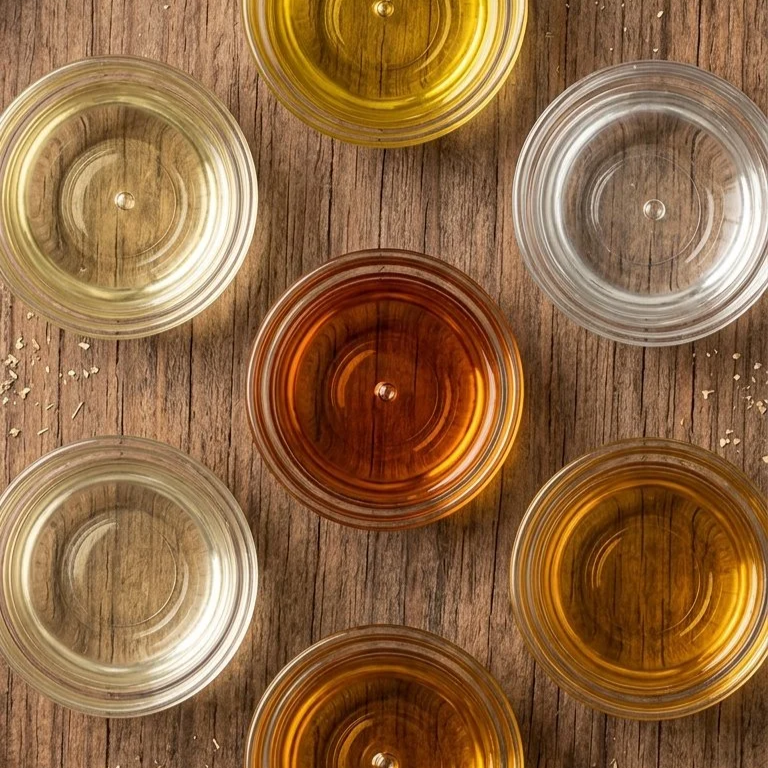
Every oil in a House of Stillstone formula is chosen for a reason. Here's a breakdown of what each one actually carries, and how it supports your skin.
Sweet Almond Oil
Rich in vitamin E and vitamin A, sweet almond oil has been used in skincare for centuries. It's known for softening and conditioning the skin while helping to lock in moisture. Its lighter texture makes it a popular choice for daily-use products. Note: as a tree nut derivative, it's not suitable for those with nut allergies.
Fractionated Coconut Oil (FCO)
Unlike whole coconut oil, FCO has had the long-chain fatty acids removed, leaving a lightweight, fast-absorbing oil that stays liquid at room temperature. It doesn't carry significant vitamin content, but it's valued as a non-greasy carrier oil that helps other actives absorb more easily without clogging pores.
Jojoba Oil
Technically a liquid wax rather than a true oil, jojoba contains vitamin E and B-complex vitamins. What makes it stand out is its close resemblance to the skin's own natural sebum — this is why it absorbs quickly and helps balance oil production rather than sitting on the surface.
Rosehip Oil
Naturally rich in vitamin A (in the form of retinoic acid precursors) and vitamin C, rosehip oil is well known for supporting skin renewal and improving the appearance of skin tone and texture over time. It's a lightweight oil that's often used to help restore elasticity.
Vitamin E
Used both as a nourishing ingredient and a natural preservative, vitamin E is a powerful antioxidant. It helps protect skin from environmental stressors like free radical damage, while also helping stabilize the other oils in a formula and extend shelf life.
Apricot Kernel Oil
Apricot kernel oil contains meaningful amounts of vitamin E, along with beta-carotene (a vitamin A precursor). Its fatty acid profile closely resembles the skin's own natural sebum, which is why it absorbs easily and is well tolerated by most skin types, including sensitive skin.
Camellia Oil
Sourced from the seeds of the tea plant, camellia oil is rich in vitamin E and antioxidants. It's prized in skincare for its lightweight, silky finish and its ability to soften even coarse or textured skin and hair without leaving a heavy residue.
Why Blending Matters
No single oil does everything. That's why our formulas combine multiple oils — lighter, fast-absorbing oils like jojoba and FCO for quick hydration, richer oils like sweet almond and camellia for deeper nourishment, and antioxidant-rich oils like rosehip and vitamin E to protect and support skin long-term. Together, they do more than any one oil could do alone.
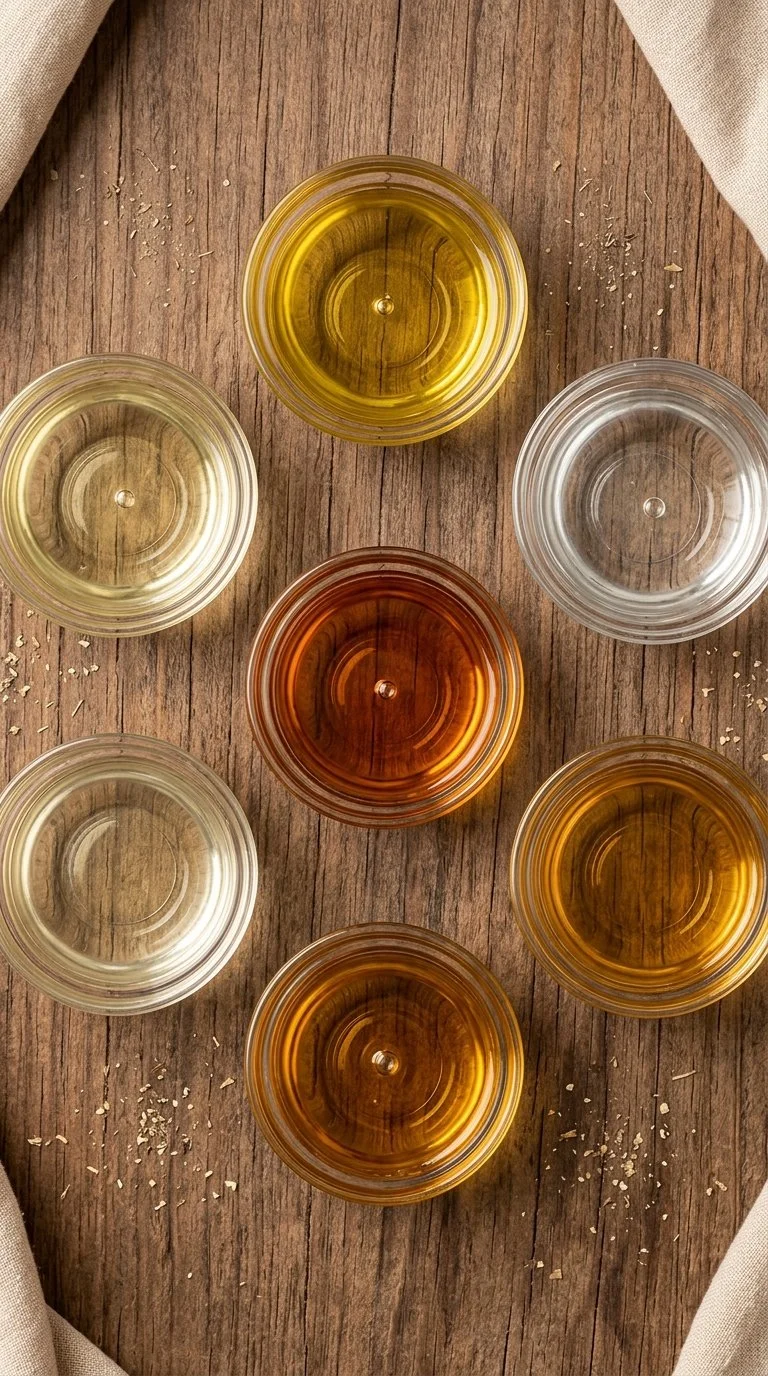
What Does "Anhydrous" Actually Mean — And Why It Matters
You'll see the word "anhydrous" on some of our labels, and it's not just industry jargon — it describes exactly how a product is made.

Anhydrous simply means water-free. Instead of using water as a base (like most lotions and creams do), anhydrous products are built entirely from oils, butters, and waxes. Balms, dry oils, and solid formulas typically fall into this category.

Why does this matter for your skin?
Water-based products need preservatives to stay stable, since water creates an environment where bacteria and mold can grow. Anhydrous products, by contrast, have a naturally longer shelf life and often require little to no preservative system, because oils and butters don't support microbial growth the same way water does.

They also behave differently on skin. Because there's no water to evaporate, anhydrous products tend to sit on the skin longer, forming a protective layer that helps seal in moisture rather than adding it directly. That's why a dry oil or balm feels different from a lotion — it's not meant to hydrate on its own, it's meant to lock in hydration that's already there.

Anhydrous vs. water-based: it's not a competition
Neither is "better" — they simply do different jobs. A water-based lotion draws moisture into skin using humectants. An anhydrous balm or oil seals that moisture in and protects the skin barrier. Used together, they complete each other — which is why we always recommend pairing a hydrating lotion with a sealing oil or balm, rather than picking just one.

Not every House of Stillstone product is anhydrous — that word applies specifically to formulas without a water base, like our dry oils and balms. Our lotions and emulsions are always clearly labeled as water-based, so you always know exactly what you're putting on your skin.